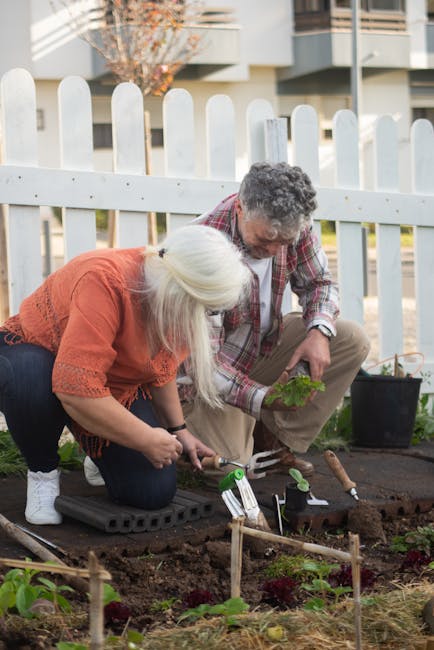
Best gardeners near Mitcham Common for small urban plots
If you've got a compact garden, a narrow front patch, a tiny courtyard, or a few awkward borders near Mitcham Common, you already know the challenge: there's not much room for error. One missed prune, one over-enthusiastic planting choice, and suddenly the space feels crowded, shady, and harder to look after than it should. That's why finding the best gardeners near Mitcham Common for small urban plots matters so much. The right gardener can make a small space feel calm, tidy, and genuinely usable - not just "maintained".
Small urban plots need a different kind of care. They're closer to the house, more visible from the street, and often shaped by awkward paving, bins, fences, shade, or root competition from nearby trees. Truth be told, a good gardener here is part designer, part problem-solver, and part steady pair of hands. In this guide, you'll find how to choose the right gardener, what services matter most, what to avoid, and how to get better results from a limited amount of space.
For readers comparing broader local services too, it can help to look at related support such as landscape gardening, regular garden maintenance, and even specialist guidance on garden clearance when a small plot has become a bit unruly. Those pages sit naturally alongside the advice below.
Table of Contents
- Why Best gardeners near Mitcham Common for small urban plots Matters
- How Best gardeners near Mitcham Common for small urban plots Works
- Key Benefits and Practical Advantages
- Who This Is For and When It Makes Sense
- Step-by-Step Guidance
- Expert Tips for Better Results
- Common Mistakes to Avoid
- Tools, Resources and Recommendations
- Law, Compliance, Standards, or Best Practice
- Options, Methods, or Comparison Table
- Case Study or Real-World Example
- Practical Checklist
- Conclusion
- Frequently Asked Questions
Why Best gardeners near Mitcham Common for small urban plots Matters
Small urban gardens are deceptively demanding. A few square metres can look tidy one week and chaotic the next. In an area like Mitcham Common, where homes may have compact front gardens, shaded back plots, side returns, or shared access areas, the gardener you choose has to work efficiently and think carefully about each plant, each cut, and each line of sight.
The best gardeners don't just "do the gardening". They understand scale. They know that a small plot needs restraint, rhythm, and a plan that respects the space. Overplanting is a classic mistake. So is treating a tiny garden like a bigger suburban border. A good local gardener will think about airflow, light levels, seasonal changes, and how the garden is actually used day to day. It sounds simple. It rarely is.
There's also a local practicality to consider. Urban gardens often sit close to paths, boundaries, and neighbouring properties, so a neat finish matters. A hedge that leans a little too far, or climbers left to roam, can make the whole place feel cramped. Sometimes the difference is one tidy morning's work. Other times it needs a longer reset. Either way, the right gardener makes a small space feel intentional.
If your outdoor area is looking tired rather than neglected, a combination of design and maintenance can help. Many homeowners start with lawn care if turf is patchy, then add structure through planting and edging. Small plots often improve fastest when the basics are handled well first.
How Best gardeners near Mitcham Common for small urban plots Works
For small gardens, good service usually starts with a proper look at the space rather than a quick quote based on guesswork. A gardener should assess sunlight, drainage, access, existing planting, soil condition, and how much time you want to spend maintaining the garden yourself. That first conversation matters more than people think.
In practice, the work often falls into a few stages:
- Assessment: identifying the current condition of the garden, including problem areas like shade, compacted soil, or overgrown shrubs.
- Prioritising: deciding what to tackle first, such as pruning, weed control, border tidying, or lawn repair.
- Resetting: clearing dead material, shaping plants, defining edges, and making the layout readable again.
- Maintaining: keeping on top of mowing, deadheading, trimming, seasonal planting, and ongoing weed control.
- Improving: making the space more attractive and easier to manage over time, sometimes with small design changes.
Small urban plots tend to benefit from lighter, more regular attention rather than occasional heavy intervention. That's especially true where beds are tight or access is fiddly. A gardener who knows how to work in compact spaces will avoid unnecessary damage, use the right sized tools, and leave the garden looking balanced rather than chopped back to nothing. Nobody wants a garden that looks like it's had a bad haircut.
In some cases, the work may include one-off improvements like reshaping beds, adding raised planters, or refreshing a tired patio edge. If that sounds familiar, it can be worth looking at broader outdoor help such as patio laying or fencing where boundaries or surfaces are part of the problem.
Key Benefits and Practical Advantages
Choosing a gardener with real experience in small urban plots gives you more than a tidy garden. It can improve how the space functions, how often you use it, and how much effort it takes to keep it under control.
- Better use of limited space: careful plant selection and layout can make a small garden feel larger and less cluttered.
- Less ongoing maintenance: the right plan reduces repetitive jobs and keeps growth manageable.
- Healthier planting: correct pruning, feeding, and spacing help plants thrive rather than struggle.
- Improved street appeal: especially useful for front gardens and properties visible from the pavement.
- More reliable seasonal care: a gardener can keep on top of tasks that are easy to miss, like deadheading, lifting, or cutting back at the right time.
- Better problem prevention: early action on weeds, drainage, pests, or overgrowth usually costs less than waiting.
One of the biggest practical advantages is simply peace of mind. If you've ever looked out on a damp Saturday and thought, "I'll sort that next week", you'll know how quickly small jobs can stack up. A good gardener breaks the cycle. They turn overwhelm into a manageable routine. That alone can change how you feel about your home.
For people who want a sharper finish without constant labour, services like artificial grass may sometimes be worth discussing, though it is not the right answer for every plot. In a small garden, every choice has a bigger visual impact, so it pays to think carefully.
Who This Is For and When It Makes Sense
This kind of gardener is a strong fit for a lot of local households. You might be in a terraced home with a narrow back garden, a maisonette with a small courtyard, or a semi-detached property where the side return has become an awkward strip of weeds and pots. You might also own a rental property and need the outside space looking respectable without constant attention.
It makes sense to hire a specialist or experienced gardener when:
- your plot is small but feels hard to control
- plants are crowding each other or blocking light
- you need a garden that looks good from the street
- you want a low-maintenance plan rather than a full redesign
- you don't have time, tools, or confidence to manage seasonal jobs
- you've recently moved in and the garden needs a reset
It may also make sense if you are planning to sell or let a property and want the outside space to support the overall impression. Small gardens are often judged quickly. Harsh, but true.
On the other hand, if your space only needs an occasional tidy and you enjoy the work yourself, a lighter maintenance arrangement might be enough. Some clients prefer monthly visits, others want one-off help after winter or before summer guests arrive. There's no single correct rhythm. The right gardener will work around your habits, not force a rigid system.
Step-by-Step Guidance
If you're trying to choose the best local gardener for a small plot, this practical process helps. It keeps the decision grounded instead of turning into a vague scroll through options at 11pm, which we've all done.
- List the exact problems. Is it weeds, overgrowth, poor layout, patchy lawn, messy borders, or just lack of time?
- Measure the space roughly. Even a simple estimate helps a gardener judge the scale of work.
- Decide whether you need maintenance, repair, or redesign. Those are different jobs and should be treated that way.
- Ask for examples of similar small-garden work. A portfolio with large showpiece gardens is not always the best fit.
- Discuss access and timing. Small plots often sit behind narrow gates, shared paths, or parked cars. That affects the job.
- Agree what success looks like. You may want "low maintenance", "tidy and balanced", or "better planting for shade". Say it plainly.
- Book a first visit or trial visit. In a small garden, one visit can reveal a lot about speed, care, and judgment.
A useful shortcut: if a gardener listens well in the first conversation, that is a very good sign. Not glamorous, I know, but it matters. Small plots benefit from people who notice things others miss - a little drainage issue by the fence, a rose that needs lighter pruning, or a path edge that's making the whole space look cramped.
For heavier jobs, a garden may need targeted clearance before routine maintenance begins. If that's the case, a page like stump removal can be relevant where old roots or stubborn woody growth are taking up space. It's not always the first step, but it can be a useful one.
Expert Tips for Better Results
Small urban gardens reward restraint. That may sound obvious, yet it's the place where people most often do too much. Here are a few practical approaches that tend to work well.
1. Keep the structure simple
Use clear edges, a few strong plants, and one or two focal points rather than packing the space with variety. In a compact garden, too many textures can make it feel busy and smaller than it is.
2. Choose plants that suit the light
Many urban plots near Mitcham Common sit in partial shade, especially if they're boxed in by fences or neighbouring buildings. A gardener who understands shade planting will save you a lot of disappointment. Not every "nice" plant is a good fit.
3. Prioritise year-round shape
Plants that hold their form in winter, even in a modest way, keep the garden looking intentional when flowers are gone. Small evergreens, clipped shrubs, and well-chosen grasses can do more than a dozen short-lived blooms.
4. Make maintenance easy to repeat
In our experience, the best small gardens are the ones where weekly or fortnightly care feels obvious. Paths are clear, tools are easy to store, and beds are not awkwardly deep. If you need a ladder, a torch, and a mood change just to prune one shrub, the layout probably needs work.
5. Don't ignore the boundaries
Fence lines, trellises, and hedges can eat visual space if they're left unchecked. Cleaning up the edges often creates a bigger sense of openness than adding anything new.
Expert summary: In a small urban plot, the smartest gardening is usually the least dramatic. Tidy structure, the right plants, and regular light care will beat a big one-off overhaul that is hard to sustain.
If the garden feels visually narrow, even a small design adjustment can help. Sometimes that means adjusting the mowing line, sometimes it means moving a planter by a metre. Tiny changes. Big difference.
Common Mistakes to Avoid
Small gardens can go wrong quickly, and a lot of the trouble is avoidable. Here are the mistakes I see most often in compact urban plots.
- Overplanting: too many plants create competition and make maintenance harder.
- Choosing the wrong scale: large shrubs and big furniture can overwhelm a small space.
- Ignoring access: narrow side passages, locked gates, or limited storage can slow everything down.
- Cutting back too hard: some plants tolerate it, many do not. Light, informed pruning is safer.
- Leaving weeds until they root deeply: small plots show neglect quickly, and weeds spread faster than people expect.
- Focusing only on flowers: a garden still needs structure when blooms fade.
- Trying to do everything at once: better to fix the worst issue first and build from there.
There's a common temptation to cram in storage, seating, herbs, pollinator plants, and a lawn, all in one go. Sometimes it works. Often it becomes a jumble. A seasoned gardener will help you decide what truly earns its place. That's worth listening to.
Also, don't be shy about asking for clarity on what is included in a visit. Does the work cover clipping, sweeping, bagging, and disposal? Or just the gardening itself? Clear expectations avoid awkward surprises later.
Tools, Resources and Recommendations
You do not need a giant kit for a small plot. In fact, the right smaller tools are usually better because they give more control in tight spaces. A good gardener near Mitcham Common will often use tools suited to precision rather than brute force.
| Need | Useful Tool or Approach | Why It Helps in Small Plots |
|---|---|---|
| Weed control | Hand weeding tools, hoe, mulch | Targets weeds without disturbing close planting |
| Pruning | Bypass secateurs, small pruning saw | Cleaner cuts and better control in tight borders |
| Lawn care | Light mower, edge trimmer | Helps keep a small lawn neat without overcutting |
| Soil improvement | Compost, soil improver, mulch | Boosts plant health and reduces watering stress |
| Space-saving planting | Raised beds, containers, climbers | Adds interest without crowding the ground plane |
Helpful supporting services can matter too. If your space needs a more complete refresh, a gardener may work alongside broader landscaping help, including turfing for worn lawns or driveways where a front garden is blending into hardstanding and needs a cleaner boundary. That kind of joined-up thinking often improves the final result.
When choosing resources, look for practical local knowledge. A gardener who understands London soils, shade patterns, and the realities of small terraces is usually better placed than someone who only talks in generic garden language. Local experience matters. It really does.
Law, Compliance, Standards, or Best Practice
For most routine gardening, there is no complicated paperwork involved. Still, good practice matters, particularly in residential areas. A professional gardener should work safely, respect boundaries, and dispose of waste responsibly. If a job involves access through shared spaces, loud equipment, or larger clearance work, it is sensible to discuss timing and neighbour impact in advance.
In the UK, garden waste handling, tool safety, and responsible disposal are generally part of ordinary professional practice. If the work includes herbicide use, it should be handled carefully and in line with product guidance. If trees are involved, especially anything significant near boundaries or structures, extra care may be needed before cutting or removing anything. When in doubt, ask. A trustworthy gardener will not treat safety as an afterthought.
There may also be practical expectations around waste removal, green waste bags, and leaving the site tidy. If you live near shared access, parking, or tight front gardens, you'll want a gardener who understands those realities without needing a long explanation. The best ones usually do. They've seen it all before, or almost.
Where a plot sits close to neighbours, hedges, or boundary fencing, checking that work stays within agreed limits is simply good practice. It avoids disputes and keeps everyone civil, which in London is no small thing.
Options, Methods, or Comparison Table
Not every small garden needs the same kind of help. Some need regular upkeep, some need a design reset, and some just need a sensible tidy-up to get back on track. Here's a simple comparison.
| Option | Best For | Strengths | Limitations |
|---|---|---|---|
| Regular garden maintenance | Busy homeowners, small lawns, tidy borders | Keeps the space under control with less effort | May not fix deeper layout problems |
| One-off tidy and reset | Overgrown plots, post-winter recovery, move-in situations | Fast visual improvement | Needs follow-up to stay neat |
| Light redesign | Small plots that feel awkward or cramped | Improves flow, scale, and usability | May require more planning and budget |
| Hard landscaping support | Patios, paths, boundaries, worn access areas | Strengthens the structure of the garden | Less focused on planting and seasonal care |
A lot of readers end up needing a mix rather than a single service. That's normal. A tiny garden can have a poor layout, patchy planting, and neglected maintenance all at once. In that case, a gardener who can think across maintenance and improvement is usually the better call.
Case Study or Real-World Example
Here's a realistic example. A homeowner near Mitcham Common has a small back garden behind a terrace. It gets morning shade, afternoon glare in one corner, and the rest sits somewhere in between. The lawn is thin, the border is crowded with a few shrubs that have outgrown their spots, and the path edge keeps disappearing under weeds.
Instead of ripping everything out, a good gardener would usually start by clearing the clutter, reshaping the border, and thinning plants that are competing for light. The lawn might need aeration or repair rather than full replacement. The boundary could benefit from a simple trellis or climber to add height without stealing floor space. A few containers might then be added where the ground is too dry or awkward for planting.
The result is not a grand transformation. It's better than that. The garden becomes easier to walk through, simpler to maintain, and more pleasant to look at from the kitchen window on a grey weekday morning. Small win, but it changes how the whole home feels.
This is the sort of outcome a specialist local gardener should aim for: practical, tidy, and quietly effective. No drama. Just a garden that works.
Practical Checklist
Use this before you book a gardener or agree a plan. It keeps things focused and makes comparison much easier.
- Define the main goal: maintenance, tidy-up, planting help, or full small-garden refresh
- Note the tricky areas: shade, narrow access, poor drainage, roots, or boundary issues
- Confirm what is included: pruning, weeding, sweeping, waste removal, advice
- Ask about similar small plots: look for relevant experience, not just general gardening
- Check communication style: clear, practical, and responsive
- Discuss maintenance frequency: weekly, fortnightly, monthly, or seasonal
- Plan for the long term: how the space will stay manageable after the first visit
- Keep expectations realistic: a small garden can improve a lot, but not overnight
Quick takeaway: the best gardener for a small urban plot is usually the one who understands scale, listens well, and makes the space easier to live with - not just prettier for a day.
Conclusion
Finding the right gardener near Mitcham Common for a small urban plot is less about chasing the flashiest offer and more about choosing someone who understands the real shape of the job. Compact gardens need judgement, restraint, and regular care. They need someone who can look at a tight space and see possibility rather than problems.
Whether your garden needs a simple tidy, a maintenance plan, or a smarter layout, the best results usually come from practical thinking and steady follow-through. To be fair, that's often what small gardens reward most - consistency, not drama.
If you approach the search with clear goals, ask sensible questions, and look for local experience with small spaces, you'll be in a strong position to choose well. And once the space starts working for you, it's surprisingly satisfying. A bit of morning light, a clean edge, a plant that finally thrives in the right spot - small things, but they add up.
Get a free quote today and see how much you can save.
Frequently Asked Questions
What should I look for in a gardener for a small urban plot near Mitcham Common?
Look for someone who understands compact spaces, has experience with small gardens, and can explain how they would improve both maintenance and layout. Good communication matters just as much as plant knowledge.
How often should a small urban garden be maintained?
It depends on planting, lawn size, and how neat you want it to look. Many small gardens benefit from fortnightly or monthly maintenance, with extra seasonal visits where needed.
Can a gardener help make a tiny garden look bigger?
Yes. Smart pruning, better boundary treatment, simpler planting, and cleaner lines can create a more open feel. It's often more about visual order than adding more features.
Is regular maintenance better than a one-off garden tidy?
Regular maintenance is usually better for staying on top of a small plot. A one-off tidy can be useful for a reset, but without follow-up the garden tends to slip back fairly quickly.
Do small gardens need different plants than larger ones?
Often, yes. Compact gardens usually work best with plants that suit the available light, stay within bounds, and hold shape well. Overly vigorous plants can take over fast.
How do I know if my garden needs redesign rather than maintenance?
If the space feels awkward, overcrowded, or hard to use even when it's tidy, a light redesign may be the better option. A gardener can usually tell you whether maintenance alone will be enough.
What if my garden has poor access?
That's very common in urban areas. Mention narrow gates, shared paths, parking limits, or awkward corners upfront so the gardener can plan properly and quote accurately.
Are landscaping and gardening the same thing?
Not quite. Gardening usually covers ongoing care like pruning, mowing, and planting. Landscaping includes broader changes such as paths, patios, fencing, or layout redesign. Many projects need a bit of both.
How much should I expect to tell a gardener before they quote?
Give them the basics: garden size, main problems, access details, and whether you want a tidy, ongoing maintenance, or a bigger improvement. The clearer you are, the better the quote is likely to be.
Can a gardener help with a very overgrown small garden?
Yes, though it may need a clearance phase first. Once the space is back under control, routine maintenance is much easier. That first cut-back can make a dramatic difference.
Should I choose a gardener who also offers paving or fencing?
If your small garden needs boundary repair, path work, or a layout change, it can be useful to choose someone with broader landscaping capability. If you only need routine upkeep, a gardening-focused service may be enough.
What is the main mistake people make with small gardens?
Trying to fit too much in. In a compact plot, restraint usually wins. A few well-chosen plants and a clear structure will often look better and be easier to maintain than a crowded scheme.